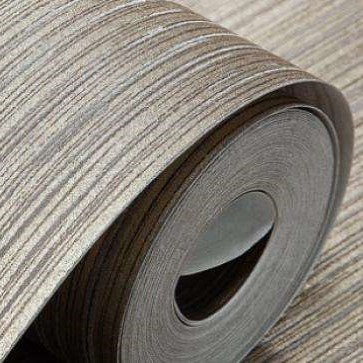
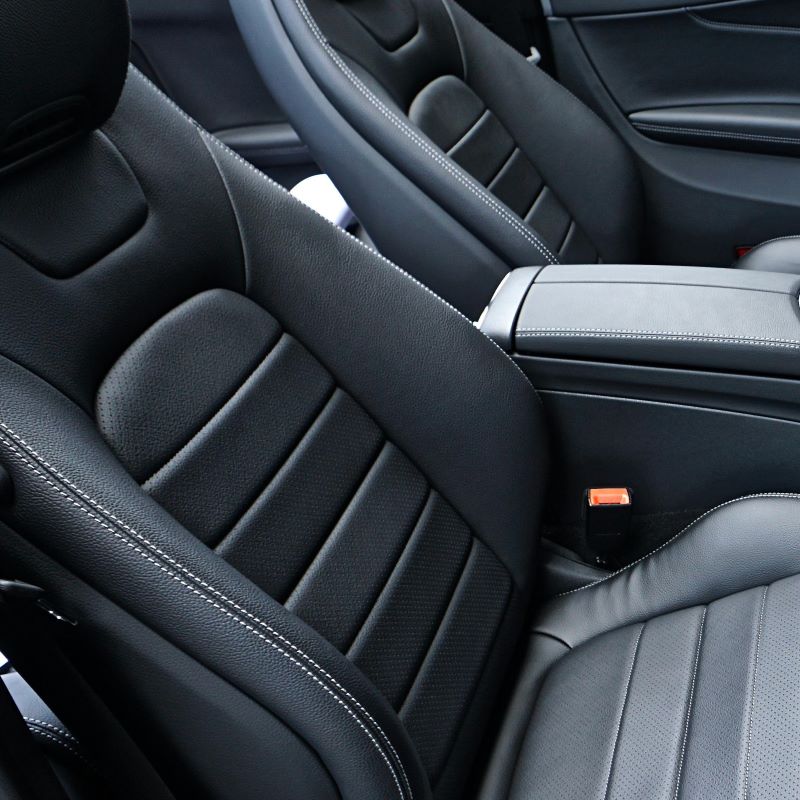
PVC (Polyvinyl Chloride) is a polymer produced by the polymerization of vinyl chloride monomers and is one of the five major general‑purpose resins. With mature processing technology, PVC is widely used in building materials and consumer products. Depending on customer requirements, it can be processed through impregnation, coating, rotational molding, molding, spraying, and other methods.
JUYEE offers two categories of PVC emulsion powders: general‑grade emulsion powders and functional PVC powders.
General‑grade emulsion powders: Sourced from leading Thai manufacturer SCG Chemicals. They feature excellent flowability, stable viscosity, and good foaming properties, making them high‑quality emulsion powders.
Functional PVC powders: Designed for applications such as matte finish, low‑temperature gelation, and viscosity reduction. They can be blended with standard PVC emulsion powders to enhance product value and improve processing convenience.
General‑Grade Emulsion Powders
Product Code
Physical Properties
Application Description
PF621
K Value: 62.9 *Brookfield Viscosity: 78 *Severs Viscosity: 65
Suitable for applications requiring high whiteness and high‑expansion foaming • Wallpaper • Printing inks
PG680 (68GP)
K Value: 69.2 *Brookfield Viscosity: 33 *Severs Viscosity: 81
Provides uniform foaming quality and fine foam structure, with smooth foam surfaces and higher whiteness • Synthetic leather (foam layer) • Wallpaper • Flooring (foam layer / backing layer) • Filament and mesh coating • Automotive sealants
PG740 (74GP)
K Value: 74.4 *Brookfield Viscosity: 30 *Severs Viscosity: 89
K Value: 76.1 *Brookfield Viscosity: 31 *Severs Viscosity: 91
Suitable for products requiring high transparency and glossy appearance • High‑gloss tarpaulin • Glossy synthetic leather surface • Flooring / logo mats • Cosmetic and mesh coatings • Toys, logos, transparent terminal sleeves
PG770 (77GP)
K Value: 79.3 *Brookfield Viscosity: 28 *Severs Viscosity: 99
• Disposable gloves • Synthetic leather (high‑strength surface layer) • High‑weather‑resistant tarpaulin • Wire harness and mesh coating • PVC tiles and commercial flooring surface • Metal can inner coatings (food‑contact grade) • Automotive sealants
*Brookfield Viscosity (ASTM D1824) → Low shear, used to evaluate resting/slow processing flow behavior, affecting foaming and coating. *Severs Viscosity (RY-W-QC-E030) → High shear, used to evaluate high-speed processing rheology, affecting spraying and extrusion stability.
Used to reduce the viscosity of PVC plastisols. Its excellent viscosity‑reducing effect improves flowability, especially in formulations with lower plasticizer content.